
-3.png?w=1200&h=628)
How to Choose the Best Fat Bike Tire Studs for Winter Riding
When the trails turn icy and the snow piles up, fat biking becomes both a challenge and an adventure. The key to staying upright and confident in winter conditions often comes down to one small but mighty upgrade—tire studs.
Let’s break down what makes fat bike tire studs so effective, how to choose the right ones, and how you can install them for your next ride on frozen terrain.
❄️ Why You Need Tire Studs for Fat Biking
Even the widest fat bike tires can lose grip on sheer ice or packed snow. That’s where carbide tire studs come in — they bite into the surface, giving you reliable traction when cornering, climbing, or braking.
Think of studs as tiny claws that turn your bike tires into winter-ready traction machines. With the right setup, you can ride through slippery trails, frozen lakes, or icy commutes with far more stability and control.
⚙️ Choosing the Right Studs for Your Fat Bike
Not all studs are created equal. The right choice depends on your riding conditions and tire type.
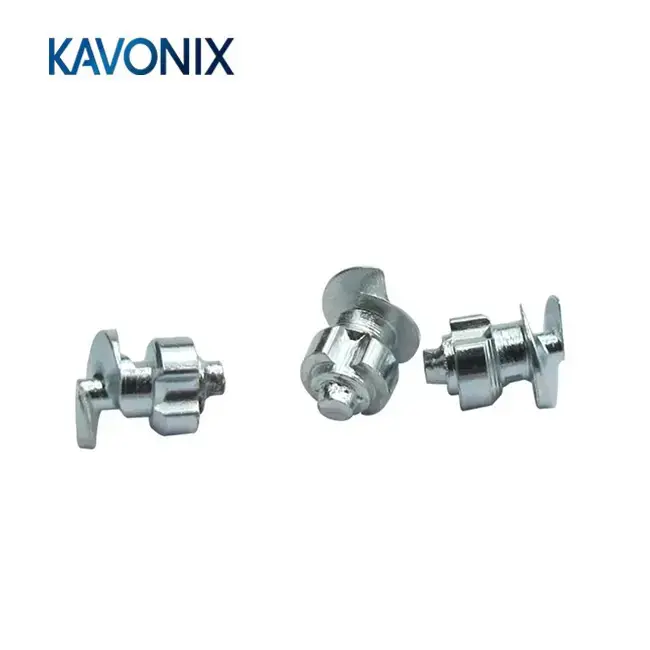
At Kavonix, our most popular models for fat bikes include:
| Model | Dimensions | Recommended Use |
|---|---|---|
| #100 | 6×8.2 mm | Ideal for general snow and light ice riding |
| #110 | 7.9×9.8 mm | Great for aggressive winter terrain and deeper tread tires |
| #6.5×5.7-1 | 6.5×5.7 mm | Lightweight choice for DIY studding projects |
| #4×9-H9 | 4×9 mm | Compact design for thinner or hybrid winter tires |


-0.png?w=650&h=650)
Each stud is built with a tungsten carbide core and a hardened steel body — durable enough for long winter mileage while keeping rolling resistance low.
They’re also easy to screw in or remove, letting you switch between winter and summer setups without replacing your tires.
🔩 DIY or Pre-Studded Tires?
If you’re a hands-on rider, DIY fat bike tire studs are a fun and practical option. With a simple stud tool and a cordless drill, you can add or remove studs at home in about an hour.
Pre-studded tires are convenient but can limit your customization. DIY studding lets you pick the exact stud type, placement pattern, and number of studs (usually 120–200 per tire, depending on size and tread).
🚴♂️ How Many Studs Do You Need?
Here’s a simple rule of thumb:
-
Front tire: slightly fewer studs for easier steering and lower resistance
-
Rear tire: slightly more studs for better traction and braking
For most fat bikes, around 150 studs per tire strikes the right balance of weight and grip.
🧊 Stud Performance & Maintenance
High-quality carbide bike studs are designed for longevity. They maintain traction through repeated freeze-thaw cycles and resist wear even on mixed surfaces like hardpack snow and frozen dirt.
With regular checks and occasional tightening, you’ll stay secure and rolling all winter long.
Engineered for durability, carbide studs maintain excellent grip even after extensive winter riding.
🌨️ Ride Confidently, Wherever Winter Takes You
Whether you’re tackling frozen singletrack, snowy forest paths, or icy morning commutes, the right fat bike tire studs make every winter ride smoother and safer.
They’re not just an accessory — they’re your season-long confidence boost.
1 comments