
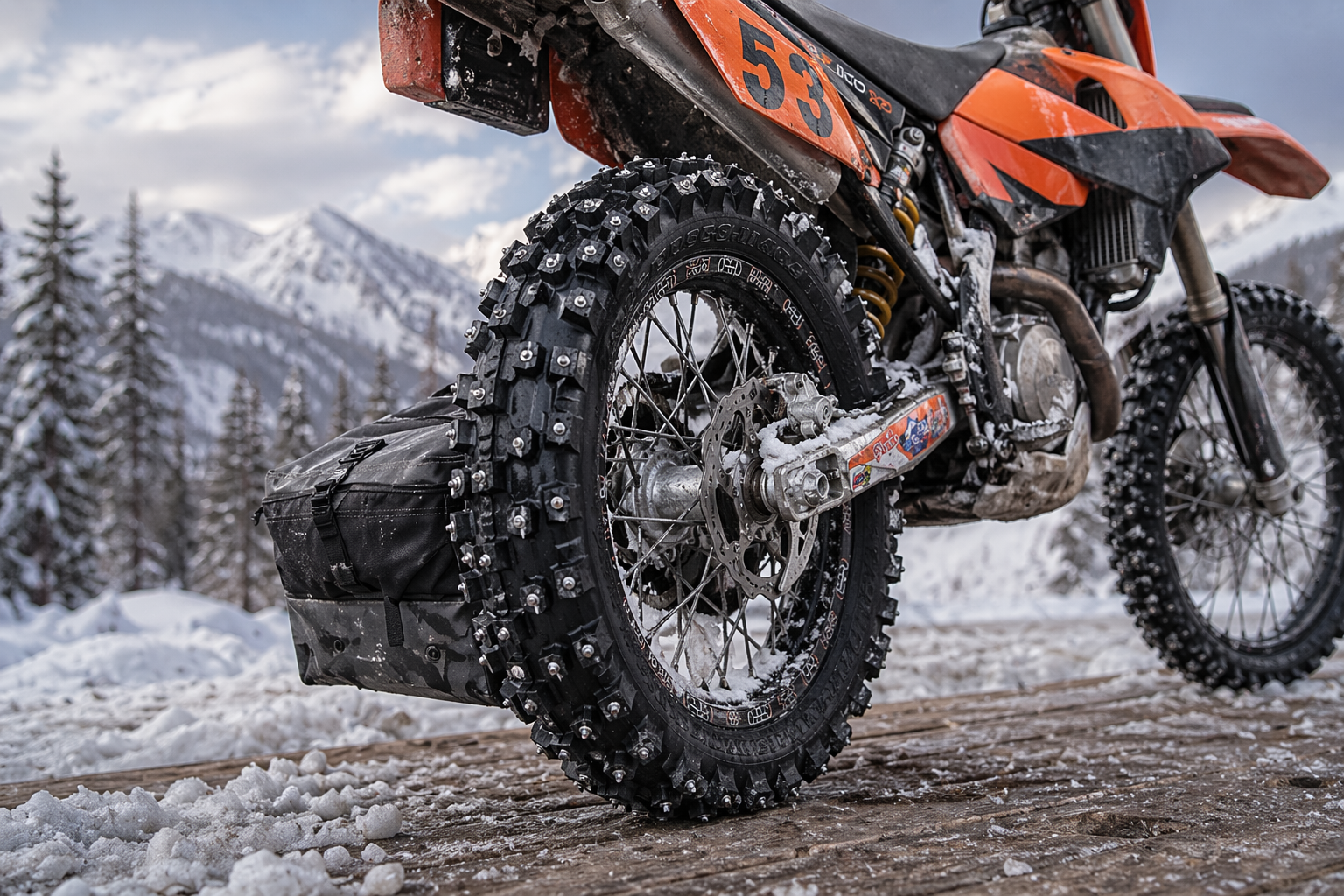
How Long Do Tire Studs Last — and When Should You Replace Them?
If you rely on tire studs for winter traction, one question comes up again and again:
How long do tire studs actually last?
The short answer:
Most tire studs last 1 to 3 winter seasons.
But many wear out sooner — especially when used on hard surfaces or in demanding riding conditions.
The good news is that stud lifespan is predictable, and once you understand the key factors, you can extend their life and maintain reliable traction.
Quick Answer: Typical Tire Stud Lifespan
| Use Condition | Typical Lifespan |
|---|---|
| Heavy off-road riding | About 1 season |
| Daily winter driving | 1–2 seasons |
| Mostly snow and ice | Up to 3 seasons |
| Frequent dry pavement | Shorter lifespan |
The most important factor is:
road surface — not mileage.
Studs wear faster on pavement than on snow or ice.
Why Tire Studs Wear Out Faster Than Expected
Many users assume tire studs should last as long as the tire itself.
In reality, tire studs are designed to wear gradually.
Understanding the causes helps you avoid premature replacement.
1) Driving on Dry Pavement
This is the most common cause of early wear.
According to the
Washington State Department of Transportation,
studded tires create significantly more friction on dry pavement than on snow or ice.
That friction:
- generates heat
- increases wear
- loosens studs
- reduces traction
2) Stud Material Makes a Real Difference
Not all tire studs are built the same.
The material used in the tip determines how long the stud can maintain grip.
| Type | Durability |
|---|---|
| Steel-only studs | Lower wear resistance |
| Carbide-tipped studs | Higher wear resistance |
Carbide is widely used in:
- motorcycles
- ATVs and UTVs
- off-road riding
- commercial equipment
Because it maintains traction under pressure and resists wear.
When Should You Replace Tire Studs?
You don’t need to track mileage.
Instead, check these simple signs.
Replace your studs if:
- more than 10–15% are missing
- the tips look flat or worn
- traction feels weaker
- studs feel loose
These indicators are more reliable than mileage numbers.
How to Make Tire Studs Last Longer
You can significantly extend stud life with a few simple habits.
Avoid Long Driving on Dry Roads
Studs wear fastest on hard pavement.
Snow and ice are less damaging than asphalt.
Use the Correct Stud Size
The wrong size can:
- reduce grip
- increase stress
- cause early loss
Always match stud length to tire tread depth.
Remove Studs When Winter Ends
Guidelines from
Transport Canada
recommend removing studded tires once winter conditions are over.
This helps prevent unnecessary wear and road damage.
If You Want Tire Studs to Last Longer, Material Matters
One of the biggest differences in stud lifespan comes down to material.
High-quality tire studs use:
Because carbide is:
- extremely hard
- highly wear-resistant
- stable under heavy load
- designed for winter traction
Lower-cost studs made entirely from standard steel may wear down faster — especially on asphalt or concrete.
This is why carbide-tipped studs are commonly used in demanding environments such as:
- off-road motorcycles
- ATVs and UTVs
- snow riding
- heavy-duty winter use
Choose Tire Studs Designed for Real Winter Use
If durability and traction matter, choosing the right stud design makes a real difference.
Kavonix tire studs are built for riders and drivers who depend on reliable winter performance.
They are engineered with:
- high-hardness carbide tips
- reinforced steel bodies
- wear-resistant construction
- stable grip in harsh winter conditions
Whether you ride a motorcycle, operate an ATV, or drive in snowy environments, reliable traction starts with durable components.
Ready for Reliable Winter Traction?
Explore Kavonix tire studs designed for long service life and consistent grip.
Choose studs built for real winter conditions — not just short-term use.
→ Shop Kavonix Tire Studs