
Introduction
When winter tightens its grip and roads become glazed with ice, even the most advanced winter tires can struggle for traction. For those living in regions with extreme freezing conditions or frequent "black ice," Winter Tire Studs (also known as anti-slip studs) are the ultimate line of defense. These small but mighty components act as claws for your vehicle, providing the necessary mechanical grip to keep you in control. This guide covers everything from how they work to choosing the right ones for your needs.
How Do Winter Tire Studs Work?
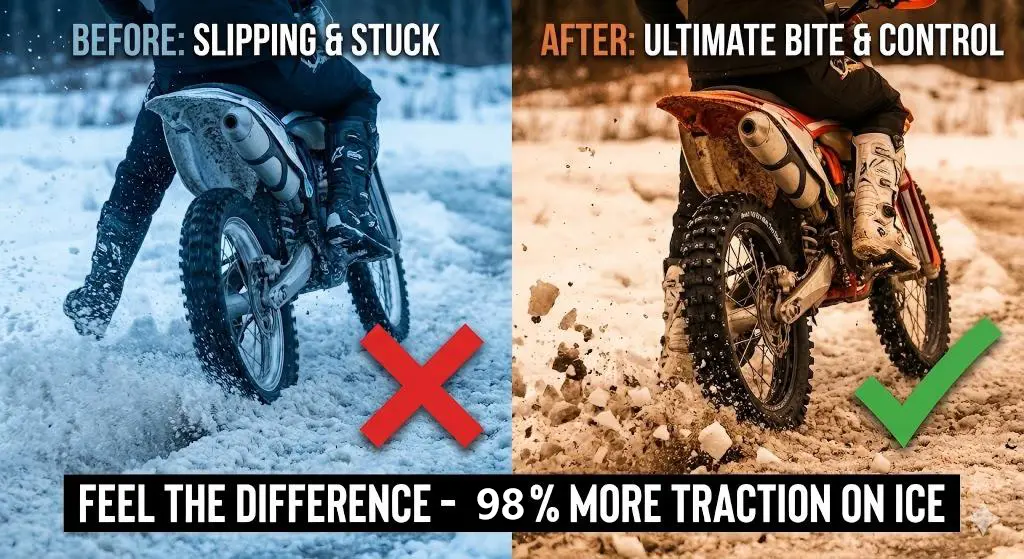
The magic of a studded tire lies in its ability to penetrate the road surface. Unlike standard rubber, which relies on friction, a studded tire uses mechanical force.
Each stud consists of a hard-core—typically made of Tungsten Carbide—encased in a metal or plastic jacket. As the tire rotates, the weight of the vehicle drives these carbide tips into the ice, creating "micro-craters" that provide immense traction for accelerating, turning, and, most importantly, braking.
Buyer’s Guide: Choosing the Right Anti-Slip Studs
Selecting the correct studs is vital for both performance and tire longevity. Here is what you should consider:
1. Material Quality
-
Tungsten Carbide Core: This is the gold standard. It is incredibly hard and wear-resistant, ensuring the studs stay sharp for thousands of miles.
-
Aluminum vs. Steel Sleeves: Aluminum sleeves are lighter, which reduces the centrifugal force on the tire at high speeds and helps the stud stay seated in the tire longer.
2. Stud Type: Embedded vs. Screw-in
-
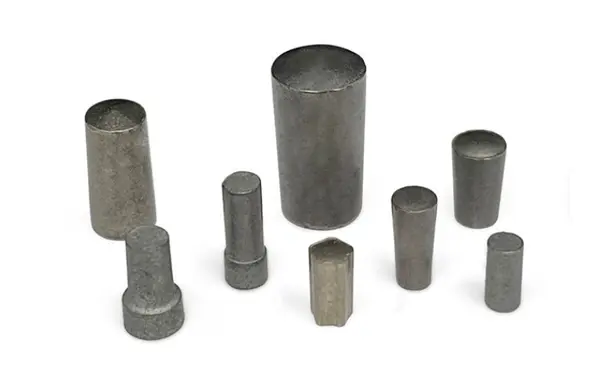
Factory-Prepped (Embedded): These are designed for tires that already have pre-molded "stud holes." They offer the most stable and permanent fit.
-
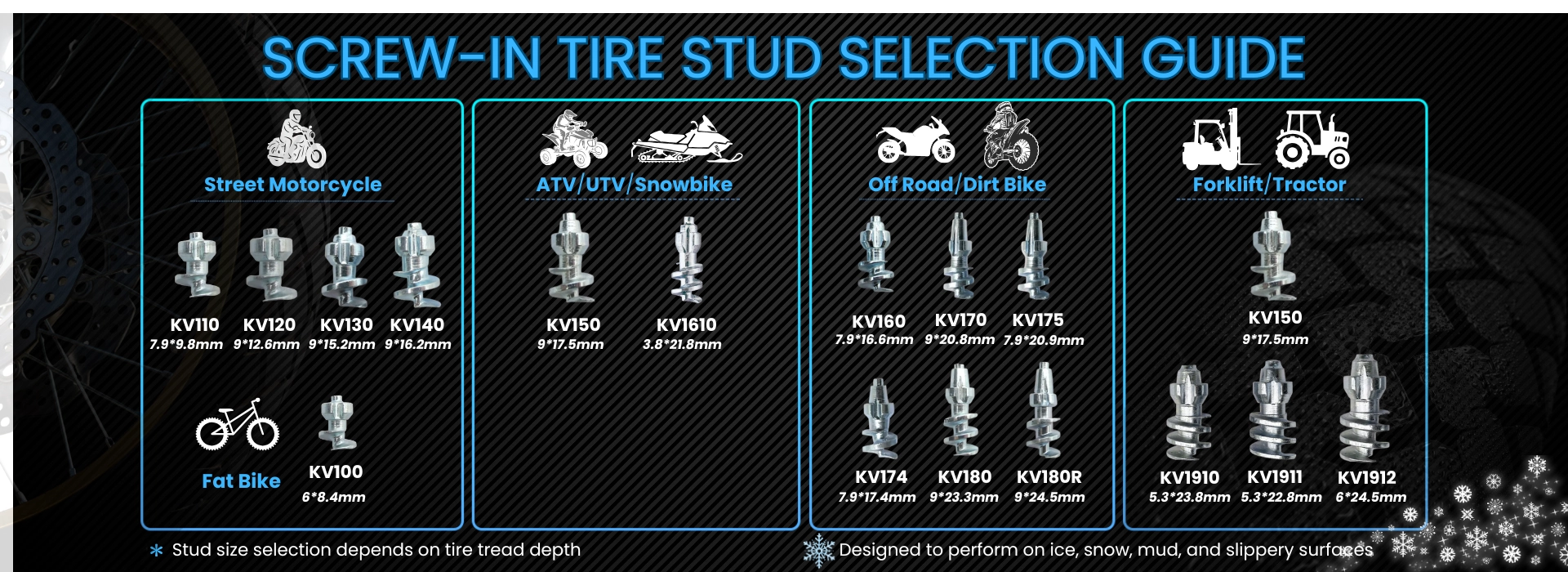
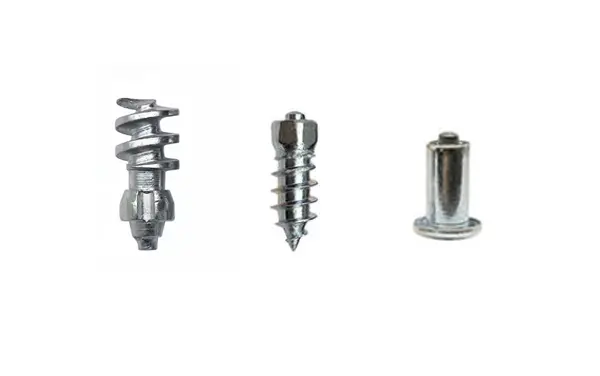
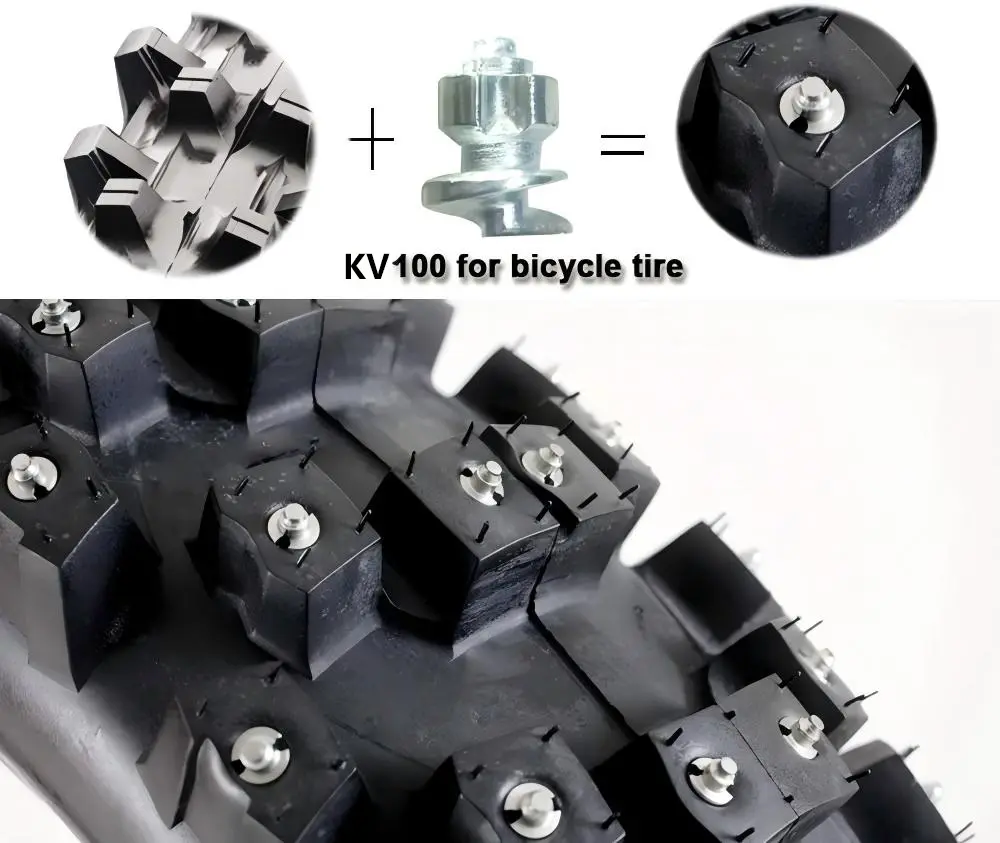
Screw-in Studs: These are perfect for DIY applications. They feature a wide-thread design that allows them to be screwed directly into thick tire lugs. They are popular for off-road vehicles, tractors, and even motorcycles.
3. Sizing and Fitment
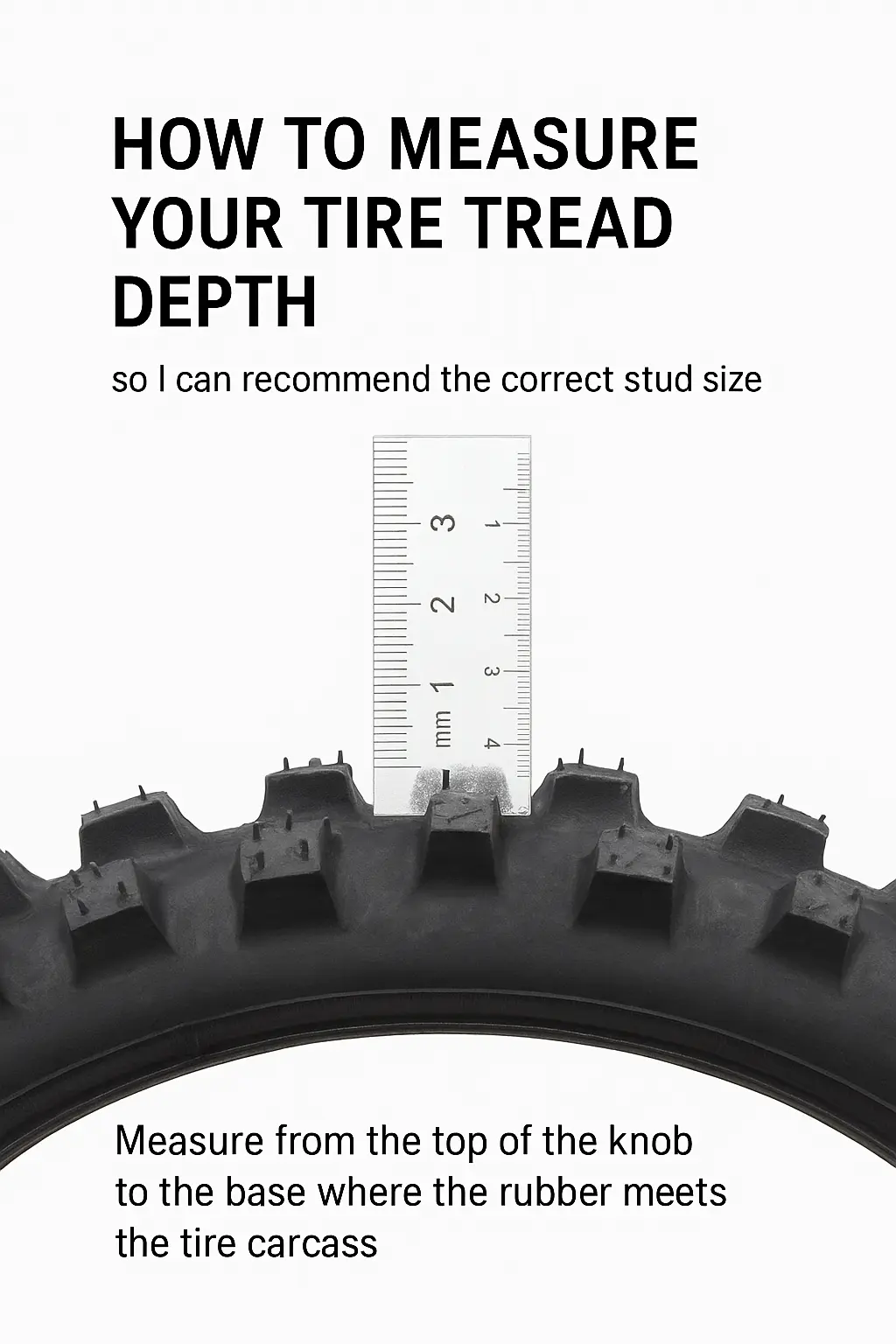
Depth is critical. A stud that is too long will damage the tire’s internal structure, while one that is too short won't reach the ice. Always measure your tire's tread depth before purchasing.
Installation and Best Practices
Proper installation ensures the studs don't fly out at high speeds.
Step-by-Step Installation Tips:
-
Clean the Tire: Ensure the holes are free of debris or stones.
-
Use Lubricant: A mixture of water and soap helps the stud slide into the pre-molded hole more easily.
-
Correct Protrusion: After installation, the carbide tip should typically protrude about 1mm to 1.5mm above the rubber surface.
The "Break-in" Period
New studded tires require a break-in period of about 50 to 100 kilometers. During this time, drive at moderate speeds and avoid sudden braking or rapid acceleration. This allows the rubber to settle around the stud, locking it firmly in place.
Regulations and Road Care
Before upgrading, check your local laws. Because metal studs can cause wear on dry asphalt, many regions limit their use to specific months (e.g., November to April). Some urban areas may prohibit them entirely to protect road infrastructure.
Conclusion
Investing in high-quality Winter Tire Studs is an investment in your safety. Whether you are navigating a frozen mountain pass or a slick driveway, the right studs make all the difference between a controlled stop and a dangerous slide.
For more technical specifications, sizing charts, or to explore high-performance stud options, feel free to visit www.kavonixo.com for expert resources and products.
Would you like me to create a comparison table of different stud sizes or provide a list of tools needed for a DIY installation?