
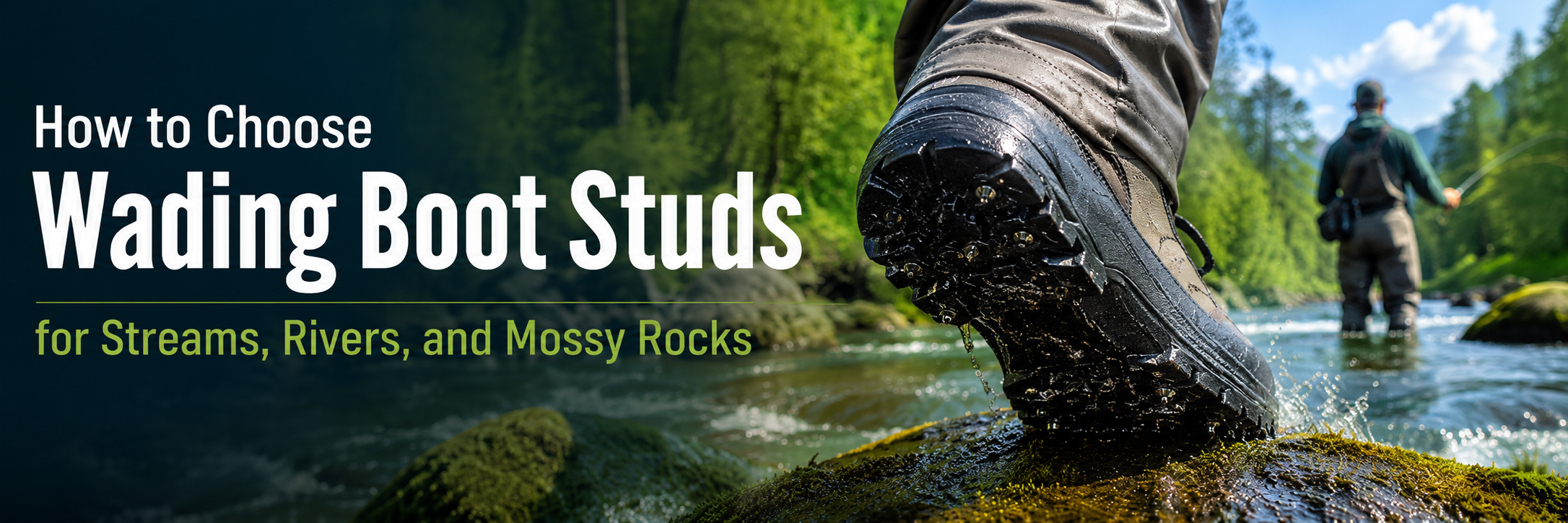
How to Choose Wading Boot Studs for Streams, Rivers, and Mossy Rocks
Wading in streams, rivers, and shallow crossings can be more slippery than many anglers expect. Wet rocks, moss-covered stones, and uneven riverbeds often make simple boot traction unreliable. That is why choosing the right wading boot studs matters.
A good set of studs can improve grip, increase stability, and help reduce slips on slick surfaces. But not all studs perform the same way. The best option depends on your fishing environment, boot type, and the level of traction you need.
Why Wading Boot Studs Matter
Many anglers focus on the boots themselves, but the outsole setup is just as important. Rubber soles and felt soles can both work well in certain conditions, yet neither always provides enough grip on algae-covered rocks or polished river stones.
Wading boot studs help by adding extra bite on surfaces where standard soles may slide. They are especially useful for:
- slick river rocks
- mossy streambeds
- muddy riverbanks
- shallow creek crossings
- uneven, fast-moving water conditions
For anglers who regularly fish in these environments, studs can make wading feel more secure and more controlled.
What to Look for When Choosing Wading Boot Studs
When selecting studs, focus on practical performance instead of simply choosing the most aggressive style.
Grip on Wet Surfaces
Traction on wet and mossy rocks is the top priority. If you often fish in rivers with smooth stone bottoms or algae-covered surfaces, choose studs designed for stronger bite and reliable grip.
Durability
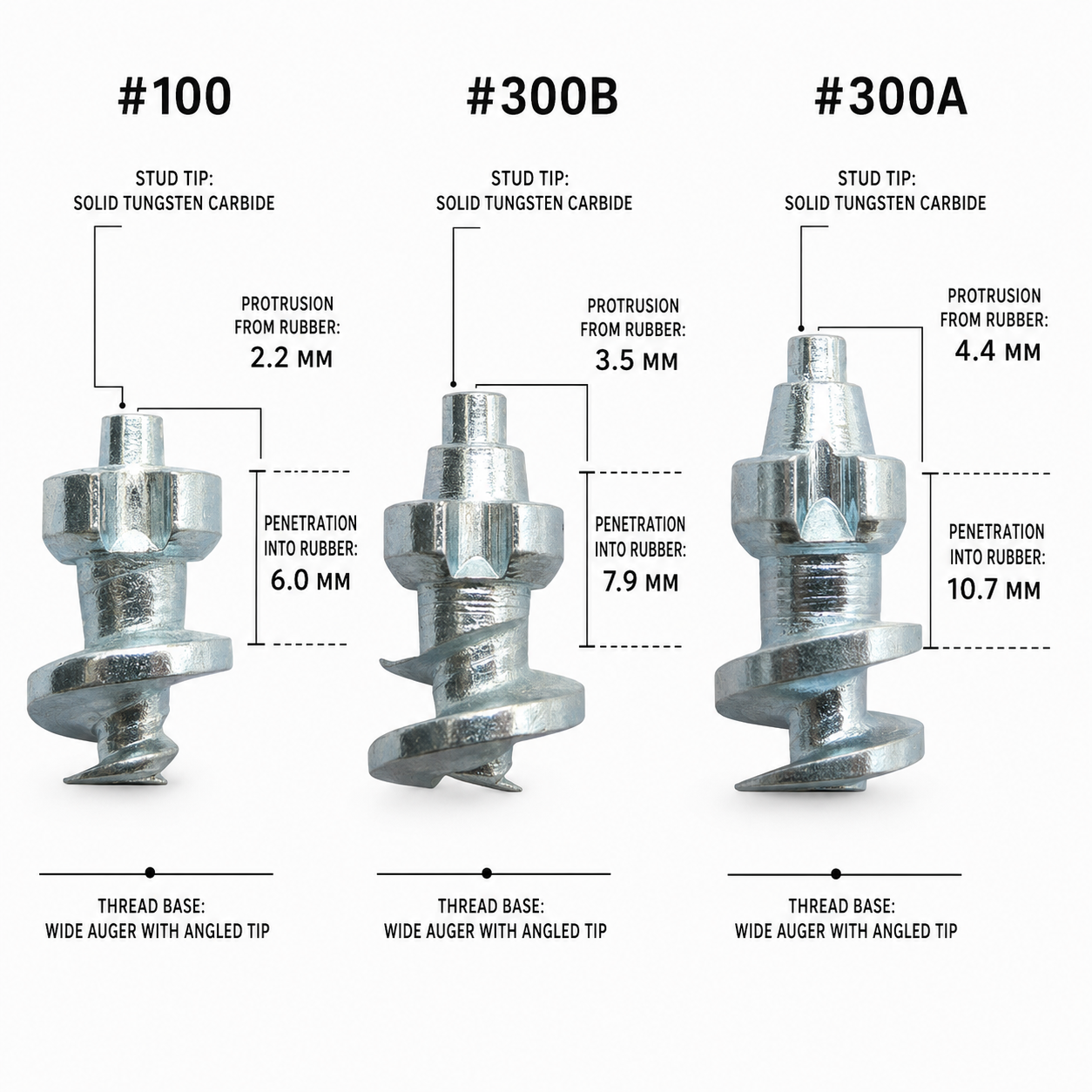
Wading studs often contact rock, gravel, and hard ground. Tungsten carbide tip studs are a popular choice because they resist wear better and hold traction longer in rough conditions.
Stud Profile
Studs with more protrusion may provide stronger traction, while lower-profile studs can feel more natural on mixed terrain. The right balance depends on where you fish most often.
Easy Installation
Screw-in studs are a practical option because they are easy to install, replace, and adjust. For most anglers, this makes them a convenient traction upgrade.
Boot Compatibility
Always make sure the sole has enough thickness and support to hold the studs securely. A proper match between stud design and sole type helps improve both grip and durability.
Choosing Studs for Different Wading Conditions
Different environments call for different levels of traction.
For Mossy Rocks and Slippery Riverbeds
If you often fish on algae-covered rocks or smooth river stones, a more aggressive stud option is usually the better choice. For this kind of terrain, Model 300A is a good fit for anglers who want stronger bite and added confidence.
For General Stream and River Use
If your fishing involves a mix of wet rocks, gravel, and shallow crossings, a balanced stud is often the most practical option. Model 300B works well for general wading use and offers dependable traction across common river conditions.
For Light Wading or Occasional Use
If you need extra grip but prefer a lower-profile feel, Model 110 is a solid option. It is suitable for lighter traction needs, easier access points, and occasional stream use.
How Many Studs Do You Need?
More studs do not always mean better performance. Proper placement matters more than covering the entire sole.
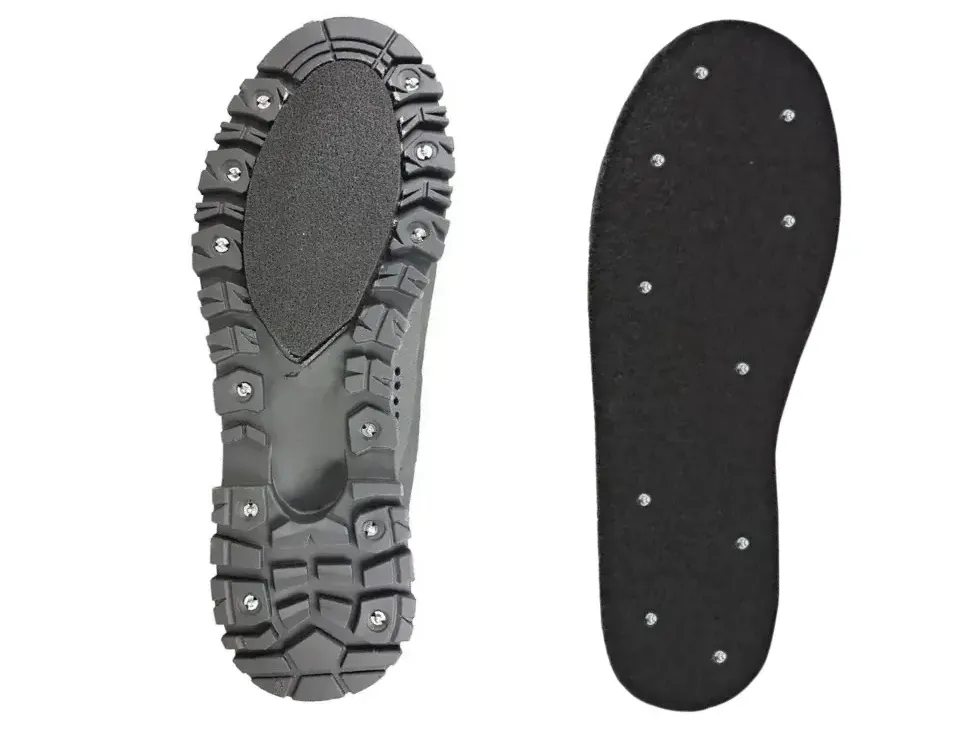
For many wading boots, about 10 to 14 studs per pair is a practical starting point. Focus on key contact areas such as the forefoot and heel, and avoid placing studs too close together.
Installation Tips
To get the best performance from your studs:
- install them in strong tread areas
- avoid the outer edge of the sole
- use the proper installation tool
- make sure each stud is seated firmly
- check regularly for wear or loosening
Correct installation helps improve holding strength and keeps traction more consistent over time.
Final Thoughts
The best wading boot studs are the ones that match your actual fishing conditions. If you fish around wet rocks, mossy riverbeds, and slippery stream crossings, choosing the right stud can improve both grip and confidence on the water.
For stronger traction, Model 300A is a solid choice. For balanced all-around river use, Model 300B is a practical option. For lighter traction needs, Model 110 offers a lower-profile solution.
A well-matched stud setup can make your time on the water safer, steadier, and more enjoyable.
Explore Wading Boot Studs
Choose reliable traction for wet rocks, riverbeds, and fishing boots.